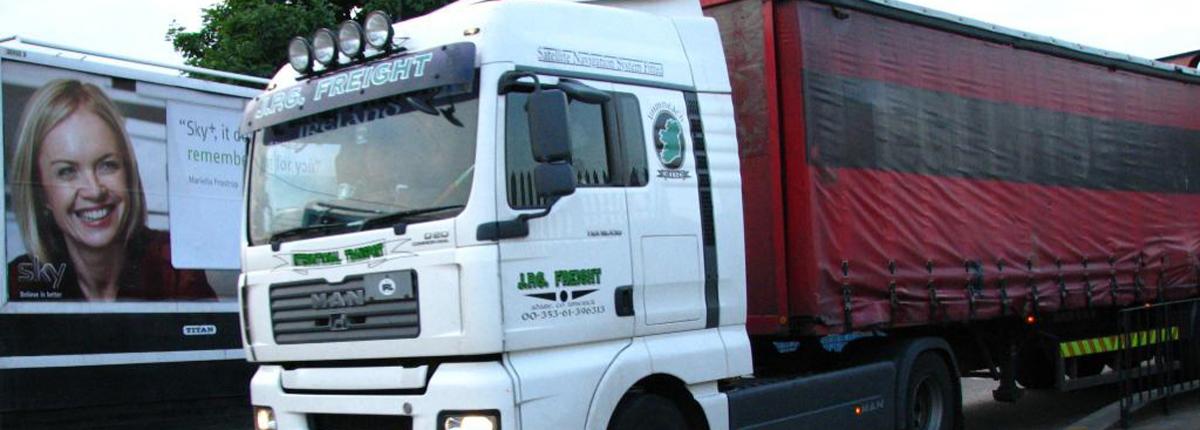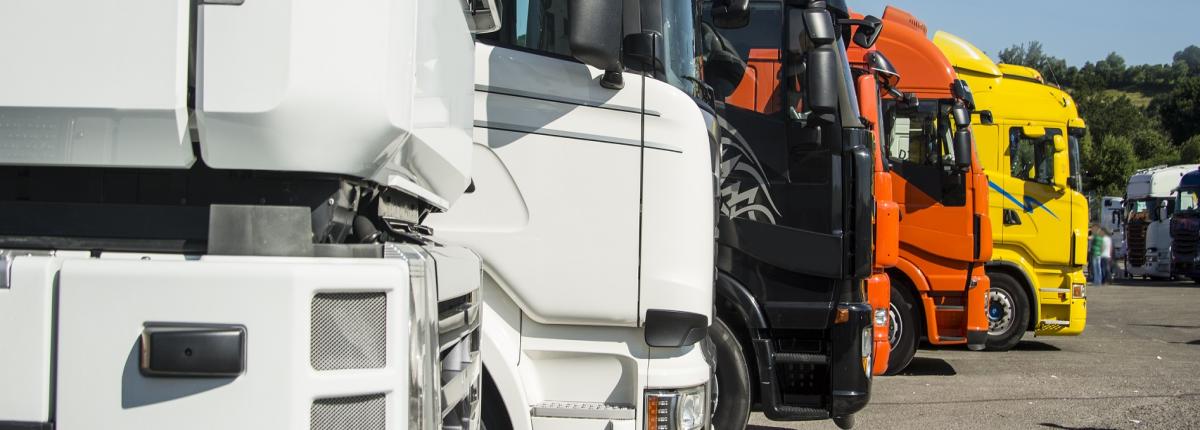
The London Lorry Control Scheme controls the movement of heavy goods vehicles over 18 tonnes maximum gross weight at night and at weekends. The scheme is in place to help minimise noise pollution in residential areas during unsocial hours through restricted use of these roads.
Not all roads in London are restricted by the scheme – there is a core network of routes, usually trunk roads and similar, along which HGVs can travel at any time without needing permission to do so. These roads are known as "excluded roads", and are collectively called the Excluded Route Network, or ERN. The roads on which the Scheme applies are known as "restricted roads".
An interactive map of the London Lorry Control Scheme area is available on the PIE website.
If you need to drive any vehicle over 18 tonnes on any of the restricted roads during the controlled hours then you need to apply for permission for the vehicle. Applications for permission are free and forms can be requested in writing from: LondonLorry Control Scheme Permits, PO Box 64528, London, SE1P 5LU.
Permission to use restricted roads does not mean that you can use as much of them as you like. If part of a journey needs to be made on restricted roads then use of these roads must be kept to a minimum. In general, this will mean travelling to the closest point on the ERN then using the shortest direct route to the destination.
Similarly, if the starting point of a route is on a restricted road then the shortest route must be taken from there to the ERN. This is a requirement of the scheme even if it means that the total journey length will be longer. Officers of the London Lorry Control Scheme will try to help with routeing enquiries however responsibility for using a legally compliant and negotiable route lies with the operator and the driver.
If you use a vehicle on a restricted road without permission, or if you have permission but fail to use the minimum amount of restricted roads, then you may be issued with a Penalty Charge Notice (PCN).